
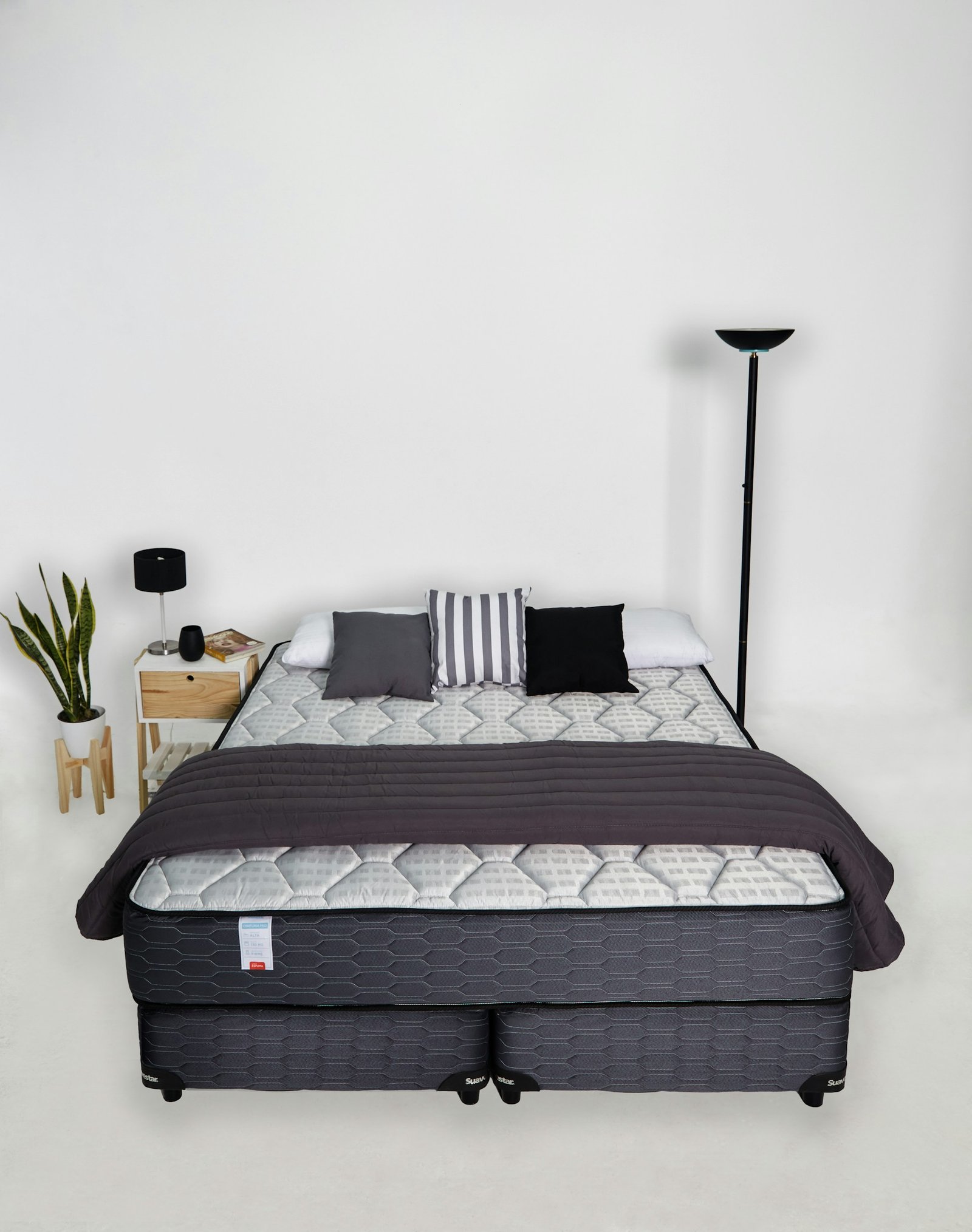
Not every good mattress costs thirty thousand rupees. In Andheri’s diverse residential landscape, where PG tenants in Andheri East, young professionals furnishing their first flat in Versova, and families equipping a guest bedroom in Lokhandwala all need a reliable sleep surface, coir mattresses occupy a genuinely important position in the market. They are natural, affordable, climate-appropriate for Mumbai, and when chosen correctly, deliver back support that competes with foam alternatives costing two to three times as much. This complete coir mattress guide for Andheri covers every type of coir mattress available, what to look for at each price point, and which options represent the best value for Andheri’s budget-conscious buyers.
Thank you for reading this post, don't forget to subscribe!Why Coir Makes Particular Sense in Andheri
Coir is not merely a budget compromise it is a genuinely climate-intelligent material for coastal Indian cities. Coconut husk fibre, the raw material of every coir mattress, is abundantly available along India’s western coast, making coir one of the most sustainably sourced mattress materials available to Mumbai buyers. But its suitability for Andheri goes beyond supply chain proximity.
Mumbai’s relative humidity stays above 75% for six months of the year. The India Meteorological Department’s climate data for coastal Maharashtra records Andheri’s average monsoon humidity between 82% and 91% from June through October, conditions that punish moisture-trapping mattress materials. Coir’s open fibrous structure creates natural air channels through the mattress body, allowing heat and humidity to dissipate rather than accumulate against the sleeper. No foam or spring mattress at the same price point matches coir’s natural breathability in Mumbai’s climate.
Additionally, coconut husk fibre carries natural antimicrobial properties that resist dust mite colonisation a meaningful health benefit in Mumbai’s urban environment, where the Indian Council of Medical Research’s guidelines on indoor allergens identify mattress dust mite populations as a primary trigger for nighttime respiratory symptoms in allergy and asthma sufferers.
For budget buyers in Andheri, coir is not a second-best option. It is often the first-best option for the climate they actually live in.
Types of Coir Mattresses Available in Andheri
Not all coir mattresses are the same, and the differences between types matter significantly for comfort, durability, and value. Understanding the three main categories helps Andheri buyers make a precise, rather than a guesswork, purchase.
Plain Compressed Coir
The most basic and affordable category is coir fibre compressed into a firm, flat slab without any bonding agent or comfort layer. Plain compressed coir mattresses are extremely firm, very breathable, and suitable for a narrow range of users: back sleepers with strong preferences for hard surfaces, yoga practitioners who sleep on firm mats by habit, or temporary sleeping solutions in storage rooms and guest spaces.
Plain coir compresses unevenly over time as the unbonded fibres shift, creating surface irregularities within 2–3 years. For a primary sleeping surface used nightly, it is not the recommended choice the small saving over rubberised coir does not justify the shorter lifespan and reduced comfort.
Best for: Temporary use, guest mattresses, floor sleeping preference, budgets under ₹3,500 for a single size.
Rubberised Coir (Bonded Coir)
Rubberised coir is the category that genuinely earns coir’s reputation as a quality back-support mattress. The manufacturing process bonds coir fibres with natural latex coating each fibre and creates a resilient, consistent matrix that maintains its firmness and shape over years of use rather than compressing unevenly like plain coir. The result is a mattress that is firm, flat, supportive, and structurally stable, everything plain coir attempts to be, delivered reliably.
The Bureau of Indian Standards’ coir mattress quality specification (IS 11209) covers rubberised coir construction and sets minimum density and resilience standards that quality manufacturers meet. When evaluating rubberised coir options in Andheri’s market, ask for the coir density (minimum 80kg/m³ for a quality bonded coir mattress) and confirm that natural rather than synthetic latex was used in bonding. Natural latex bonding delivers significantly better durability and maintains the mattress’s natural antimicrobial properties.
Best for: Primary sleeping surface for back sleepers, adults with back pain requiring firm support, PG accommodations, children’s rooms, and guest bedrooms. The strongest value-for-money choice in the coir category.
Price range: ₹5,000–₹18,000 for double/queen size, depending on thickness and quality tier.
Rubberised Coir With Foam or Cotton Topping
The most comfortable and widely purchased coir mattress configuration adds a 1–3 inch comfort layer of high-density foam, natural latex foam, or cotton batting on top of a rubberised coir base. This layered construction addresses the one genuine limitation of pure rubberised coir: pressure buildup at hips and shoulders for side sleepers and lighter-framed adults who find a purely firm surface uncomfortable for a full night.
The comfort layer softens the immediate feel of the sleeping surface while the coir base continues to provide structural firmness and prevent lumbar sag. The result is a mattress that feels accessible to a broader range of sleepers while retaining the back-support benefits of the coir core.
Layer thickness guidance for Andheri buyers:
A 1-inch foam topping suits buyers who want only marginal softening, essentially a firm coir feel with slightly reduced pressure. A 2-inch topping creates a medium-firm feel appropriate for combination sleepers who move between back and side positions. A 3-inch topping shifts the dominant feel toward the comfort layer appropriate for dedicated side sleepers or lighter adults who find firm coir uncomfortable.
The breathability consideration: a foam topping reduces the coir base’s natural airflow advantage proportionally to its thickness. For non-air-conditioned Andheri bedrooms, keep the comfort layer at 1–2 inches maximum and specify open-cell foam rather than closed-cell for the best breathability balance. See HomeSara’s coir-with-topping mattress range for layered options with open-cell foam comfort layers suited to Mumbai’s climate.
Price range: ₹7,000–₹25,000 for double/queen size, depending on the topping material and thickness.
Coir Mattress Thickness Guide for Andheri Buyers
Thickness affects both comfort and the mattress’s interaction with your bed frame. Andheri apartments, particularly older buildings near the station and MIDC area, commonly have platform beds or low-height divan bases where mattress thickness determines the overall bed height for easy getting in and getting out.
| Thickness | Feel | Best For | Typical Price (Double) |
|---|---|---|---|
| 3–4 inches | Very Firm | Floor sleeping, storage beds, and children | ₹3,500–₹8,000 |
| 4–5 inches | Firm | Back sleepers, platform beds, PG use | ₹5,500–₹12,000 |
| 5–6 inches | Medium-Firm | General use, rubberised coir standard | ₹8,000–₹16,000 |
| 6–8 inches | Medium-Firm with comfort layer | Couples, combination sleepers | ₹12,000–₹24,000 |
For most Andheri buyers using a standard bed frame with a slatted or plywood base, a 5–6 inch rubberised coir mattress represents the sweet spot, sufficient structural depth for consistent back support and a price point that delivers genuine quality without approaching the premium tier.
What to Check Before Buying Coir in Andheri’s Local Market
Andheri has a well-established local furniture and mattress market, particularly along the Andheri-Kurla Road corridor, near Andheri West station, and in the wholesale furniture lanes of Jogeshwari. The variety is genuine, but so is the inconsistency in quality labelling. Here is what to verify at any point of purchase.
Coir Density
Density is the primary quality indicator for rubberised coir, and the specification is most commonly omitted or misrepresented in local market selling. A quality rubberised coir mattress has a coir layer density of 80–100kg/m³. Below 70kg/m³, the mattress will compress and lose support within 3–4 years. Ask for this figure directly and be sceptical of sellers who cannot provide it. Reputable brands print density specifications on the mattress label.
Natural vs Synthetic Latex Bonding
The rubberisation in bonded coir mattresses uses either natural latex (tapped from rubber trees) or synthetic latex (petroleum-derived SBR rubber). Natural latex bonding is superior in durability, maintains antimicrobial properties, and ages better in Mumbai’s humid conditions. Synthetic latex is cheaper and more common in Andheri’s lower-price-point market. The distinction is worth asking about for a mattress intended to last 8–10 years; the difference in bonding material affects the entire lifespan.
Fabric Cover Quality
The mattress cover, the ticking fabric that encases the coir, affects both durability and hygiene performance. A quilted cotton cover breathes better than a synthetic cover and is more comfortable against the skin in Mumbai’s warm months. Look for a cover with a zipper for removability and washing in Mumbai’s dusty environment; a washable mattress cover is a meaningful practical advantage. Covers with anti-dust-mite treatment are available at minimal additional cost and are worth specifying if any household member has respiratory allergies.
Edge Support Construction
Budget coir mattresses often compromise on edge construction, using less dense coir at the perimeter or omitting a reinforced border. A mattress without edge support collapses at the sides when sat on, effectively reducing the usable sleeping surface and creating structural stress at the border that shortens the mattress’s lifespan. Run your hand firmly along the mattress edge at the point of purchase it should feel as firm as the centre surface, not noticeably softer or yielding.
According to the Coir Board of India’s quality standards for coir products, certified coir mattress manufacturers must meet minimum specifications for fibre purity, density, and bonding agent quality. A certification mark to look for when buying from Andheri’s local market, where unbranded products are common.
