
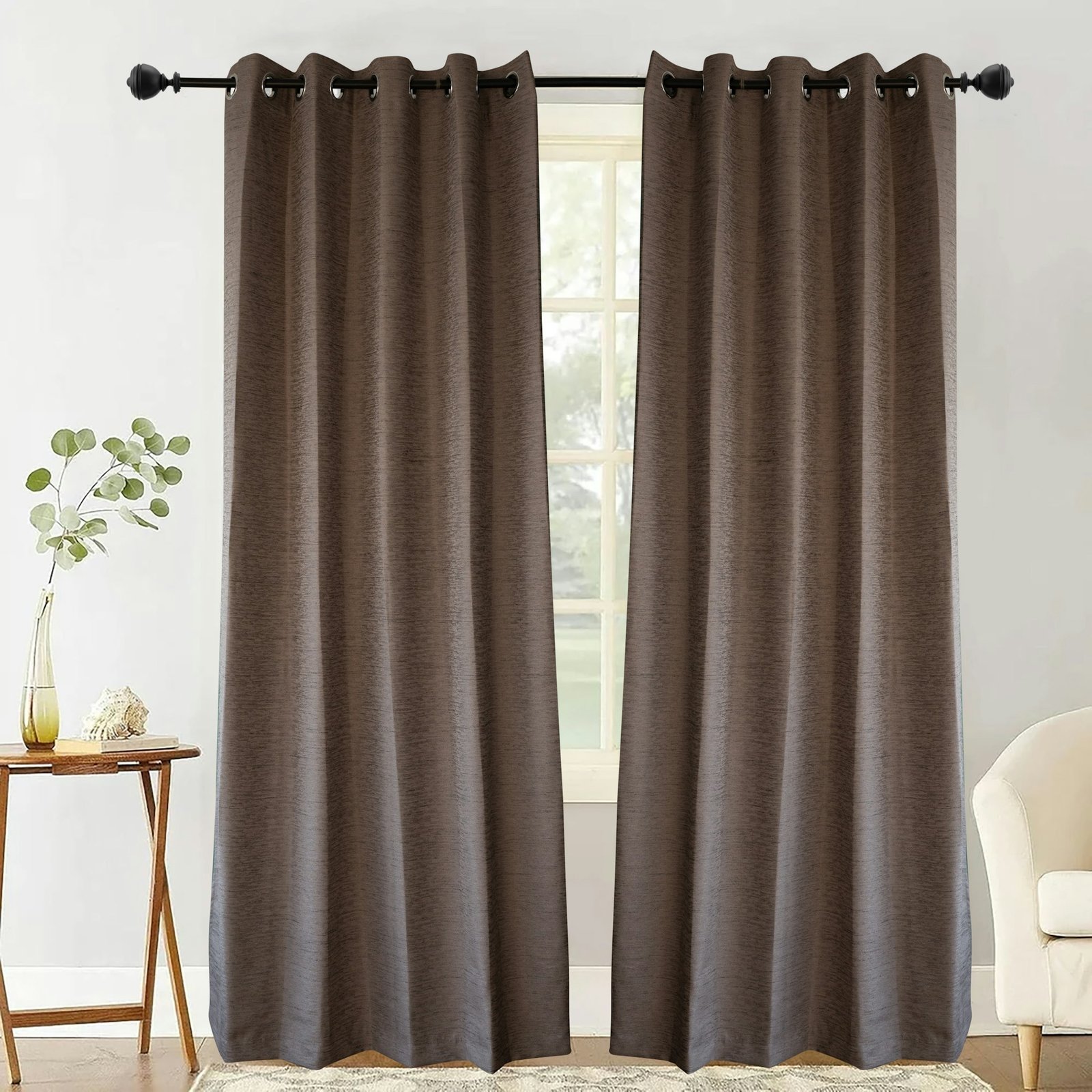
If your air conditioner runs harder and longer than it should and your electricity bill confirms it every month, your windows are almost certainly part of the problem. In Andheri’s residential apartments, windows are the weakest thermal barrier in any room. A standard single-pane glass window (the most common type across Andheri’s residential building stock) has a thermal resistance roughly equivalent to a sheet of cardboard. On a west-facing Andheri afternoon in May, that window is actively pouring solar heat into your air-conditioned room at the same rate your AC is working to remove it. Thermal curtains interrupt that cycle, blocking radiant heat before it enters the room and reducing the insulating gap between indoor comfort and outdoor intensity. This complete thermal curtain guide for Andheri covers how thermal curtains work, which types deliver genuine energy savings in Mumbai’s climate, and how to choose and install them for maximum effect in your air-conditioned rooms.
Thank you for reading this post, don't forget to subscribe!How Much Do Windows Actually Cost You in an Andheri AC Room?
Before evaluating thermal curtains, the scale of the problem is worth understanding clearly. The Bureau of Energy Efficiency’s residential energy audit findings for Mumbai’s urban apartments estimate that unshaded windows account for 30–40% of the total cooling load in a typical air-conditioned Mumbai apartment room, meaning your AC is spending nearly a third to nearly half its energy fighting solar heat entering through glass. In a west-facing Andheri room with a standard 1.5-ton split AC running from 2 pm to 10 pm through the eight-month warm season, that window-related load translates directly into measurable monthly electricity cost.
The same BEE analysis estimates that effective thermal window treatment, such as curtains or blinds with genuine heat-blocking performance, reduces solar heat gain through treated windows by 40–70%, with a corresponding reduction in AC runtime and electricity consumption. For an Andheri household with two or three air-conditioned rooms, the electricity saving from quality thermal curtains across a full summer season is meaningful relative to the curtain investment, and the curtains continue delivering that saving every year of their lifespan.
Thermal curtains in Andheri are not an interior design decision with an energy efficiency bonus. They are an energy efficiency decision that also happens to improve how your rooms look and feel.
How Thermal Curtains Work: The Three Mechanisms
Understanding the mechanism behind thermal curtain performance helps you evaluate which product genuinely delivers for Andheri’s conditions versus which carries a thermal marketing claim on an ordinary curtain.
Solar heat reflection the primary mechanism in Mumbai’s context. An outer fabric layer or interlining with reflective properties (aluminium-backed foam, white or light-coloured outer face) reflects incoming solar radiation back through the glass before it can be absorbed and converted to room heat. This is the dominant mechanism for reducing daytime cooling load in Andheri’s summer.
Convective heat reduction in still air is an excellent insulator. A thermal curtain hung close to the window surface traps a layer of still air between the fabric and the glass, reducing the convective heat transfer from the warm glass surface to the room air. This mechanism is more relevant to heat retention in cooler climates but also contributes meaningfully to AC efficiency in Andheri’s nights when outdoor temperatures drop, but glass surfaces remain warm.
Radiant heat blocking the interlining material in a thermal curtain absorbs or reflects infrared radiation from the warm glass surface, preventing it from radiating directly into the room. Aluminium-backed interlinings are the most effective because the reflective surface bounces radiant heat back toward the window rather than allowing it to pass through the fabric layers.
According to the National Fenestration Rating Council’s window treatment energy performance research, the combination of these three mechanisms in a well-designed thermal curtain properly installed close to the window with adequate side overlap reduces a single-pane window’s solar heat contribution by 40–60%. For Andheri’s predominantly single-pane residential window stock, this is a highly relevant figure.
Thermal Curtain Types: Quick Comparison for Andheri AC Rooms
| Curtain Type | Heat Blocking | Insulation | Light Blocking | Breathability | Lifespan | Price Range (per panel) |
| Aluminium-Backed Thermal | Excellent | Excellent | 95–100% | Low | 8–12 years | ₹1,800–₹5,500 |
| Foam-Backed Thermal | Very Good | Very Good | 85–95% | Low | 6–10 years | ₹1,200–₹4,000 |
| Triple-Weave Thermal | Good | Good | 85–99% | Moderate | 7–10 years | ₹1,000–₹3,500 |
| Thermal Lined Natural Fabric | Very Good | Very Good | 70–95% | Moderate | 8–12 years | ₹2,000–₹7,000 |
| Cellular / Honeycomb Blind | Very Good | Excellent | Variable | High | 8–12 years | ₹2,500–₹8,000 |
| Layered Sheer + Thermal | Good | Moderate | Flexible | High | 8–10 years | ₹2,500–₹6,500 |
The ASTM International standard C1371 for thermal performance of window coverings provides independent benchmarking of heat-blocking performance a certification reference worth requesting from suppliers making specific energy-saving claims.
Aluminium-Backed Thermal Curtains: Maximum Performance for West-Facing Andheri Rooms
Aluminium-backed thermal curtains use a reflective aluminium foil interlining bonded between the decorative outer fabric and a blackout backing layer. The aluminium layer is the most effective thermal barrier available in a curtain format it reflects solar radiation before absorption, blocks radiant heat from the glass surface, and creates the most complete air gap insulation of any curtain construction.
Why Aluminium-Backed Thermal Curtains Lead for Andheri:
For west-facing rooms in Lokhandwala, Oshiwara, and Versova’s high-rise towers where afternoon solar radiation hits at near-perpendicular angles and window temperatures can reach 60°C+ on peak summer days, aluminium-backed thermal curtains deliver the most meaningful reduction in solar heat gain. The reflective mechanism works proportionally to the intensity of incoming radiation, meaning it performs best precisely where Andheri’s conditions are most demanding.
The Energy Conservation Building Code for residential buildings in India’s benchmark for energy-efficient construction identifies solar reflectance of window treatments as a primary residential energy conservation strategy, with reflective curtain materials specifically noted as an effective retrofit for existing single-pane window stock in urban apartments. Aluminium-backed curtains directly implement this recommendation.
Installation consideration: The aluminium backing on these curtains makes them heavier than standard alternatives. Curtain rods must be rated for the additional weight; lightweight tension rods common in some Andheri apartments are insufficient. Specify a steel or aluminium rod with a weight rating above 15kg per metre of span. See HomeSara’s aluminium-backed thermal curtain range for options with compatible rod recommendations included.
Foam-Backed Thermal Curtains: The Practical Everyday Choice
Foam-backed thermal curtains apply a layer of acrylic foam to the back of a decorative fabric, creating a unified blackout-and-thermal curtain without a separate interlining. The foam layer provides meaningful thermal insulation through its trapped-air cellular structure while simultaneously blocking light, a combination that makes foam-backed curtains the most practical single-layer thermal solution for Andheri’s bedrooms and home offices.
Foam-Backed Performance in Andheri Conditions:
Foam-backed thermal curtains reduce solar heat gain by approximately 40–55% in Andheri’s conditions effective but below the 60–70% achievable with aluminium-backed alternatives. For rooms that face east or north, or rooms with partial shading from a building overhang or neighbouring structure, foam-backed curtains represent the appropriate specification for sufficient thermal performance without the cost premium of aluminium-backed options.
The practical advantage of foam-backed construction is uniformity. The foam layer is bonded to the entire curtain surface, including seams and fold areas, eliminating the edge light and heat leakage that can occur with separately-applied interlinings that don’t extend to the fabric edges. This makes installation less technically demanding than aluminium-backed alternatives while still delivering genuine thermal benefit.
One honest limitation for Mumbai’s climate: foam-backed curtains are not breathable. In a non-air-conditioned room, drawing foam-backed thermal curtains against the summer sun effectively blocks heat entry but also traps any heat already in the room appropriate for rooms that are consistently air-conditioned but counterproductive in rooms where natural ventilation is the primary cooling strategy. Browse HomeSara’s foam-backed thermal curtain collection for bedroom and home office appropriate options across a range of decorative face fabrics.
Triple-Weave Thermal Curtains Style-Forward Energy Efficiency
Triple-weave thermal curtains use three bonded fabric layers: a decorative outer weave, a dense middle layer, and a soft backing to achieve thermal and blackout performance without any foam or aluminium component. The result is a curtain that handles and drapes like a conventional fabric, is available in the full range of colours and patterns that decorative curtains offer, and delivers meaningful thermal performance through the insulating air pockets created by the layered weave structure.
Triple-Weave for Andheri’s Design-Conscious Homeowners:
Triple-weave is the preferred thermal curtain category for Andheri homeowners who prioritise interior aesthetics alongside energy performance, residents of Lokhandwala’s premium apartments, design-forward renovations in Versova, and open-plan living rooms where the curtain is a prominent decorative element as well as a functional one.
The thermal performance (good rather than excellent versus aluminium or foam alternatives) is a genuine trade-off for the aesthetic advantage. For living rooms and formal spaces where the curtain faces south or east rather than the most demanding west exposure, triple-weave delivers appropriate thermal benefit while contributing to a beautifully finished interior. For the most demanding west-facing exposures, aluminium or foam-backed alternatives provide more meaningful energy saving. Explore HomeSara’s triple-weave thermal curtain range for pattern, colour, and fabric options suited to Andheri’s contemporary apartment interiors.
Thermal-Lined Natural Fabric Curtains: Premium Performance Without Compromise
For Andheri homeowners who want the warmth and quality of natural fabrics, linen, velvet, and heavy cotton with genuine thermal performance, a separate thermal interlining attached behind the decorative fabric is the answer. The interlining provides the heat-blocking mechanism while the outer fabric provides the aesthetic quality, a combination that the other thermal curtain categories cannot match for sheer interior presence.
The Case for Thermal-Lined Natural Fabric in Andheri’s Premium Apartments:
A floor-to-ceiling velvet curtain with thermal interlining in a master bedroom, or a heavyweight linen thermal curtain in a living room facing west, these represent the highest quality window treatment available for Andheri’s apartments, combining the visual richness of premium natural fabrics with thermal performance that meaningfully reduces AC load.
Interlining options and their performance:
Bump interlining a thick, soft cotton batting that provides excellent insulation through its air-trapping structure. Adds substantial weight and body to the curtain, improving drape as well as thermal performance. Best for formal rooms and heavy decorative fabrics like velvet.
Domette interlining a lighter, fleecy cotton interlining that provides moderate thermal performance with less weight addition. Better for lighter face fabrics like linen and cotton, where a very heavy bump interlining would create an overly stiff drape.
Aluminium-foil interlining the highest-performance thermal interlining option, providing the reflective solar heat blocking of aluminium-backed curtains within a natural fabric construction. The appropriate choice for west-facing rooms, where maximum thermal performance is the priority, regardless of the face fabric choice.
According to the Textile Exchange’s research on lined curtain thermal performance, a properly interlined curtain reduces window-related heat transfer by 55–65% compared to the same unlined fabric, making interlining one of the highest-value performance upgrades available for any existing curtain installation. See HomeSara’s made-to-measure thermal-lined curtain service for custom combinations across all face fabric and interlining types.
Cellular (Honeycomb) Blinds: The Engineering Approach to Thermal Windows
Cellular or honeycomb blinds take a different mechanical approach to thermal window treatment: instead of a reflective or insulating layer, they trap air in structured hexagonal cells between the blind face and the window glass. The trapped air acts as an insulating barrier, the same principle as double-glazing, implemented as a retrofit window treatment.
Cellular Blinds for Andheri’s AC Rooms:
- Single-cell honeycomb blinds provide moderate insulation and are appropriate for rooms with partial shading or east/north orientation
- Double-cell honeycomb blinds with two layers of air cells provide the best insulation of any blind format and are the appropriate specification for Andheri’s most demanding west-facing AC rooms
- The open-cell structure of honeycomb blinds allows some diffused light to enter even when closed, appropriate for rooms where complete darkness is not required, but heat reduction is
- Available in sheer, light-filtering, and blackout face fabrics, allowing the cellular blind to serve both thermal and privacy functions simultaneously
The US Department of Energy’s window treatment energy performance research, widely referenced by Indian energy consultants given the absence of equivalent Indian-specific data rates, suggests that double-cell honeycomb blinds deliver the highest window insulation value of any retrofit window treatment category, reducing window heat loss and gain by up to 40% versus bare single-pane glass.
For Andheri apartments where curtains are less practical, narrow windows, sliding doors, irregular window shapes, cellular honeycomb blinds fitted precisely within the window recess provide equivalent or superior thermal performance in a space-efficient format. See HomeSara’s cellular blind range for single and double-cell options across Andheri’s standard and non-standard window dimensions.
Layered Sheer Plus Thermal: Full Flexibility for Andheri Apartments
The most flexible and functionally complete window treatment for Andheri’s AC rooms combines a sheer or semi-sheer front panel on one curtain track with a thermal curtain on a second track behind it. The sheer handles daytime privacy and diffused light; the thermal curtain pulls across when direct sun, room darkness, or maximum energy efficiency is the priority.
How Layered Treatment Works for Each Time of Day in Andheri:
Morning (6 am–11 am): Sheer only diffused morning light, privacy maintained, room feels open and connected to the outside.
Peak heat (12 pm–5 pm): Thermal curtain drawn, solar heat blocked, AC load reduced, room remains comfortable without significantly increasing electricity consumption.
Evening (5 pm–9 pm): Both drawn or sheer, only depending on preference, the thermal curtain has absorbed the day’s solar load, the room temperature is stabilising, and sheer provides privacy without blocking the evening breeze if windows are opened.
Night (9pm+): Thermal curtain drawn for maximum insulation during air-conditioned sleep, particularly relevant for Andheri’s compact bedrooms, where the AC runs through the night and every degree of insulation reduces overnight electricity consumption.
This layered approach also eliminates the aesthetic compromise of thermal curtains; the room-facing sheer provides the visual warmth and softness of a decorative curtain, while the thermal layer handles performance behind it. HomeSara’s double-rod curtain hardware is designed for this installation approach and is available in all standard Andheri window widths and ceiling heights.
