
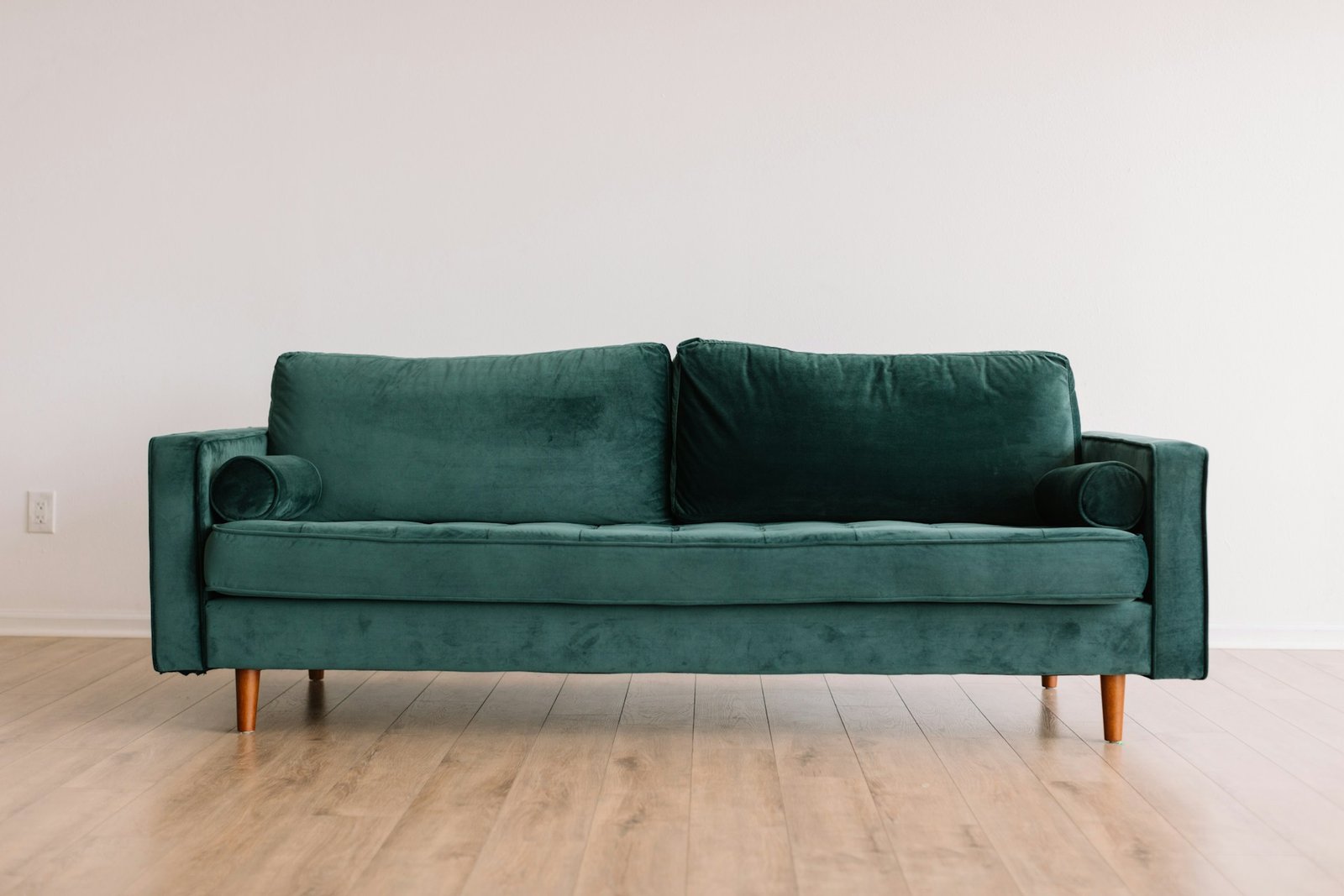
Few fabrics transform a room as immediately as velvet. A single velvet accent chair in deep teal or burnished gold changes the entire register of a living room from comfortable to considered, from furnished to designed. In Andheri’s increasingly design-forward residential landscape, from the premium 3BHK apartments of Lokhandwala Complex to the contemporary new-builds of Oshiwara and the boutique developments of Seven Bungalows, velvet upholstery is one of the fastest-growing interior choices, and for good reason. It photographs beautifully, ages with dignity, and brings a richness of texture that no other upholstery fabric delivers at a comparable price point. This complete velvet upholstery guide for Andheri covers every velvet type, how to choose the right one for Mumbai’s climate, the colour and style decisions that make velvet work in a real apartment interior, and how to care for it in a city that is simultaneously dusty, humid, and beautiful.
Thank you for reading this post, don't forget to subscribe!Why Velvet Is Having Its Moment in Andheri’s Interiors – Velvet Upholstery Fabrics in Andheri
Velvet’s current popularity in Indian apartment design is not a trend; it is a reassertion of a material that has always been used at the highest levels of interior design and is now accessible at the mid-market level. The emergence of crush-resistant and performance velvet manufacturing techniques has addressed the fabric’s historical limitations around durability and care, bringing it within reach of Andheri homeowners who want the luxury aesthetic without the luxury maintenance burden.
Velvet’s specific appeal in Andheri’s interior context comes from contrast. Most new-build apartments in Lokhandwala, Oshiwara, and Versova arrive with neutral-finish walls, light wood or tile flooring, and white or off-white fitted furniture. Against this clean, understated background, a velvet sofa or accent chair in a saturated colour, forest green, deep navy, dusty rose, or burnt terracotta provides exactly the richness and visual anchor that makes a room feel complete rather than merely clean. According to the National Institute of Design’s research on textile use in contemporary Indian interiors, velvet-textured upholstery is among the highest-ranked materials for perceived interior quality, achieving a premium aesthetic impression significantly above its actual cost relative to leather and premium weave alternatives.
Velvet Types Available in Andheri: What’s Actually on the Market
Not all velvet is the same, and the differences in construction determine how each type performs in Andheri’s climate and use conditions.
Cotton Velvet
Traditional cotton velvet woven on a loom with cotton warp and weft is the most luxurious and most demanding of the velvet family. The pile is the densest, the colour depth is the richest, and the fabric’s hand (the tactile quality) is the most satisfying of any velvet type. It is also the most sensitive: it marks easily from pressure and water, requires dry cleaning for any significant soiling, and is the least suitable for Andheri’s humid monsoon months in rooms without consistent air conditioning.
Best for: Formal accent chairs in air-conditioned living rooms, occasional-use furniture in bedrooms, statement pieces in homes where aesthetic priority outweighs daily practicality.
Polyester Velvet
Polyester velvet is the most widely available and most practical velvet for Andheri’s residential market. The synthetic fibre construction delivers 80–90% of cotton velvet’s visual richness at a significantly lower price, with meaningfully better resistance to moisture, fading, and everyday wear. Polyester velvet does not mark as readily from water contact, is easier to spot-clean than cotton velvet, and holds its pile better under repeated use.
Best for: Family living rooms, dining chairs, bedroom headboards, and any application where the velvet will see regular daily use rather than occasional formal use.
Viscose / Silk Velvet
Viscose velvet (and genuine silk velvet at the premium end) produces the most luminous, shimmering velvet surface. The fabric’s pile catches and reflects light in a way that cotton and polyester velvets approach but don’t quite match. The characteristic sheen of viscose velvet is what gives it the quality associated with high-end Indian interior design and boutique hotel aesthetics.
The trade-off is fragility. Viscose velvet is the most delicate of the common velvet types, the most prone to watermarking, and the least suitable for high-traffic seating. It is appropriate for decorative throw cushions, occasional chairs, and statement pieces rather than everyday sofas in a busy Andheri household.
Best for: Decorative accent pieces, formal dining chairs in infrequently used dining rooms, and premium headboards.
Crush Velvet
Crush velvet, intentionally twisted or pressed during manufacturing to create a multidirectional, crumpled pile pattern, is the most casual and forgiving of the velvet family. The irregular surface conceals everyday marks and pressure indentations that would be visible on a smooth-pile velvet, and the variegated pile direction creates an iridescent quality that changes appearance as the viewing angle shifts.
Best for: Contemporary and eclectic Andheri interiors, sofas and chairs that see heavy daily use, households where velvet’s maintenance demands are a concern.
Performance Velvet
Performance or contract velvet uses synthetic fibres (typically polyester or nylon) engineered with a higher rub count and a surface treatment that adds stain and moisture resistance. This is the category that makes velvet genuinely viable in family homes, pet-owning households, and the high-use furniture of active Andheri apartments. The American Home Furnishings Alliance’s fabric performance standards rate quality performance velvet at 30,000+ Martindale double rubs, sufficient for daily-use living room seating, compared to 15,000–20,000 for standard decorative velvet.
Best for: Families with older children, households where velvet’s aesthetic is desired but cotton velvet’s maintenance demands are impractical.
Colour: The Decision That Defines the Room
Velvet’s colour saturation is unlike any other upholstery fabric. The pile structure absorbs and refracts light in a way that makes velvet colours appear deeper, richer, and more complex than the same pigment on a flat fabric surface. This is the property that makes velvet so powerful as an interior element, and it is also the property that makes colour selection worth spending real time on.
Colours That Work Best in Andheri’s Apartment Context:
Forest green and sage the most popular velvet upholstery colours in Andheri’s current interior market. Deep forest green reads as sophisticated and grounded against the neutral walls of most new Andheri apartments; sage is the more versatile, lighter option that suits smaller rooms where forest green might dominate. Both work well with the wooden flooring and warm-toned accessories common in Andheri’s mid-to-premium apartment renovations.
Deep navy and slate blue velvet has a classic quality that suits both contemporary and more traditional Andheri interiors. It pairs exceptionally well with brass hardware and natural stone surfaces, a combination increasingly seen in Andheri West’s premium apartment renovations. Slate blue is the softer, more bedroom-appropriate alternative.
Burnt terracotta and earthy, warm tones that suit Andheri’s growing interest in biophilic and Japandi-influenced interior design. Terracotta velvet in a living room with natural wood flooring, jute rugs, and white walls creates a cohesive, grounded aesthetic that reads as current without being trend-dependent.
Dusty rose and blush the bedroom and dressing room choice. Blush velvet headboards and accent chairs have become a signature of Andheri’s lifestyle-forward apartment interiors. The colour works best in rooms with natural light and is less successful in north-facing rooms where the absence of sunlight can make blush tones read as grey.
Charcoal and graphite are the practical luxury choices for living rooms with children or pets. Dark velvet conceals everyday marking more effectively than mid-tones, and graphite velvet in particular suits the industrial-inflected interior style common in Andheri East’s converted loft-style apartments.
The Craft Yarn Council’s guidance on textile colour performance recommends verifying colorfastness ratings (minimum Grade 4 on a 1–5 scale) for velvet upholstery intended for rooms with significant natural light exposure, particularly relevant for west-facing Andheri apartments, where afternoon sun intensity can fade lighter velvet colours without UV-stabilized dyeing.
Velvet and Mumbai’s Humidity: The Honest Assessment
Velvet is not the first-choice fabric for non-air-conditioned rooms in Andheri’s hot, humid climate. The dense pile construction that makes velvet so visually rich also traps heat and ambient moisture properties that make it uncomfortable in warm rooms and vulnerable to mould development in poorly ventilated spaces during the monsoon.
The honest guidance for Andheri buyers:
In consistently air-conditioned rooms, velvet performs without meaningful climate limitation. Air-conditioned master bedrooms, formal living rooms, and home offices with consistent cooling are appropriate environments for any velvet type, including cotton and viscose.
In rooms with intermittent air conditioning, polyester or performance velvet is the appropriate choice. The synthetic fibre construction handles humidity variation better than natural fibre velvet and recovers more readily from the occasional moisture exposure of a Mumbai monsoon month.
In rooms without air conditioning, velvet should be reserved for accent pieces (cushions, small chairs, ottomans) rather than primary seating. A velvet throw cushion on a microfibre sofa delivers velvet’s aesthetic benefit without the sustained moisture exposure that can degrade a full velvet sofa in a warm, humid room.
The Indian Council of Medical Research’s indoor humidity guidelines for urban apartments identify persistent fabric moisture above 70% relative humidity as a dust mite and mould risk the specific condition that makes velvet management in non-air-conditioned Andheri rooms an active rather than passive maintenance task. Browse HomeSara’s climate-appropriate velvet upholstery range for humidity-rated options by room type.
Styling Velvet in Andheri Apartment Interiors
The Feature Chair vs the Full Sofa
For most Andheri apartments where living rooms run 120–160 sq ft, and the sofa is the dominant piece, starting with a velvet accent chair rather than a full velvet sofa is the lower-risk, often more effective approach. A single velvet accent chair in a saturated colour creates the luxury focal point without committing the entire seating area to a fabric that requires more care than microfibre or leatherette alternatives.
A full velvet sofa works best in larger Andheri living rooms (150 sq ft and above) in air-conditioned apartments where daily maintenance is feasible. In these contexts, a velvet sofa anchors the room in a way no other fabric matches the scale and colour presence of a velvet three-seater, making every other element in the room respond to it.
Pairing Velvet With Other Textures
Velvet’s pile texture needs contrast to read at its best. Pairing velvet upholstery with smooth, hard surfaces, marble side tables, lacquered finishes, and metal legs creates the tactile contrast that makes the velvet pile visible and interesting. Pairing velvet with other soft, pile-based textures (boucle, shag rugs) reduces the contrast that makes velvet distinctive.
The most effective Andheri apartment combinations:
- Velvet sofa + marble coffee table + jute rug + linen curtains
- Velvet accent chair + wooden flooring + cotton throw + metal floor lamp
- Velvet headboard + linen bedding + natural wood nightstands + blackout curtains
Pattern and Print in Velvet
Patterned velvet cut velvet with a woven or burned-out design, or velvet printed with geometric or botanical motifs, provides an alternative to solid colour for Andheri buyers who want velvet’s texture without committing to a strong solid tone. Cut velvet patterns (where the pile is cut to different heights to create the design) are particularly effective because the pattern is visible as both a colour and a textural variation, making it visible from multiple angles and lighting conditions. See HomeSara’s patterned and cut velvet upholstery collection for design-led options beyond solid colour.
Care and Maintenance: Keeping Velvet Beautiful in Andheri
The Pile Direction Rule
The velvet pile lies in one direction. Brushing against the pile direction leaves visible marks; brushing with the pile smooths them. Before cleaning any velvet upholstery, identify the pile direction by running your hand across the surface, smooth in one direction, resistant in the other. Always clean, brush, and vacuum in the pile direction to avoid creating permanent marks.
Dealing With Crushing
Crushed velvet pile from sitting in the same position repeatedly, from bags placed on the surface, or from delivery compression can usually be restored by holding a steam iron 10–15cm above the surface (never touching) and brushing the pile upward with a soft velvet brush simultaneously. This technique, recommended by the Craft Yarn Council’s care guidance for pile textiles, restores the pile’s upright position for all velvet types except heavily saturated crush velvet, which is designed to maintain its compressed pattern.
Mumbai-Specific Care: Dust and Monsoon
Andheri’s urban dust accumulates in a velvet pile faster than in any other upholstery fabric. Weekly light vacuuming with an upholstery attachment (brush head rather than suction-only) in the pile direction prevents dust buildup that eventually embeds permanently in the base of the pile. During monsoon, increase ventilation in rooms with velvet upholstery, running a dehumidifier or ensuring consistent air conditioning prevents the ambient moisture absorption that leads to the musty smell that poorly maintained velvet develops in Mumbai’s wet season.
For spills on polyester or performance velvet: blot immediately with a clean dry cloth; never rub. Apply a small amount of lukewarm water with a white cloth and blot again. For cotton or viscose velvet: blot the spill and seek professional dry cleaning for any significant staining. Water treatment of delicate velvet can leave permanent watermarks that are more visible than the original stain.
