
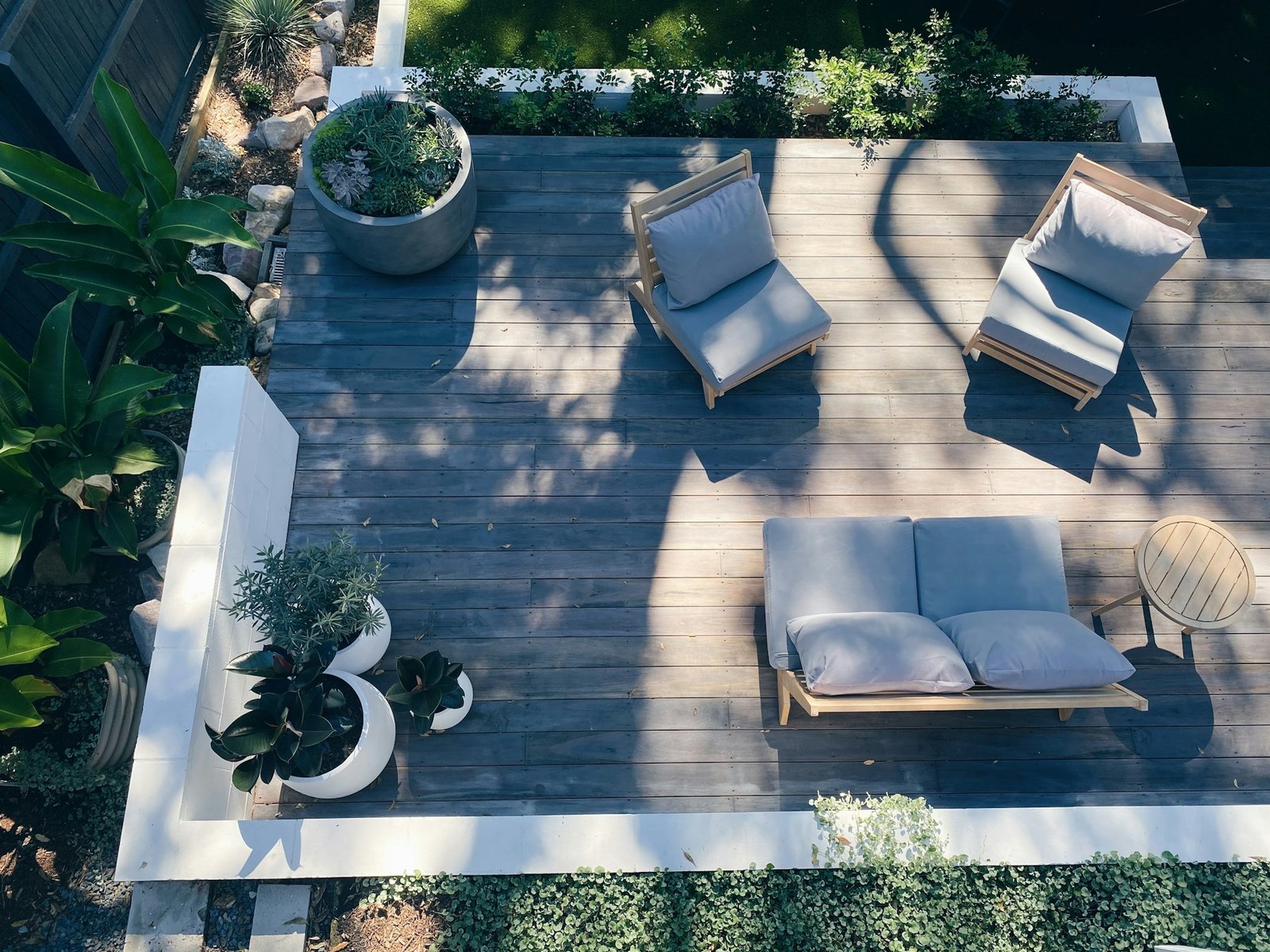
The balcony is Andheri’s most underutilized room. In a city where indoor space is at a premium and outdoor air, however, urban offers a genuine psychological reset from the density of Mumbai apartment living, a well-furnished balcony is among the most valuable square footage in any Andheri home. The problem is not the space. The problem is that most upholstery fabrics are not built for what Andheri’s balconies actually deliver: nine months of intense UV exposure from a coastal Indian sun, five months of monsoon rain that can arrive with thirty minutes’ notice, year-round salt-laden humidity from proximity to the Arabian Sea, and the accumulated dust and particulate of one of India’s busiest urban corridors.
Thank you for reading this post, don't forget to subscribe!Choosing the wrong fabric for balcony furniture in Andheri is not a style mistake; it is an expensive one. Cushions that fade within a season, fabrics that develop mould through monsoon, foam that stays saturated for days after rain, these outcomes are common and entirely avoidable with the right material knowledge. This complete outdoor upholstery fabric guide for Andheri covers every UV and rain-resistant option available, what each handles best in Mumbai’s specific climate, and how to build a balcony that stays beautiful through the full Andheri weather cycle.
What Andheri’s Climate Actually Does to Outdoor Fabrics
Most outdoor fabric performance data is generated for European or North American climates with moderate UV, seasonal rain, and dry winters. Andheri’s conditions are categorically more demanding across every parameter, and understanding how and why changes the way you evaluate fabric specifications.
Solar Radiation
According to the India Meteorological Department, solar radiation data for the Konkan coast, Mumbai receives peak solar irradiance of 700–900 W/m² on clear days, with a UV index regularly reaching 10–11 (Extreme) between March and October, among the highest UV exposure levels of any major Indian city. Fabrics rated for 1,000 hours of UV exposure in European testing standards are often tested under significantly lower irradiance than Andheri’s actual conditions, meaning quoted lifespan figures from European brands should be treated conservatively.
Monsoon Rainfall
Mumbai’s monsoon delivers an average of 2,200mm of annual rainfall concentrated almost entirely between June and September, with individual events regularly exceeding 50mm per hour. Andheri’s elevation and the Western Express Highway corridor create localized rain intensity patterns that mean some balconies face direct rain exposure while others are more sheltered by building orientation and overhangs. A fabric rated water-resistant rather than waterproof will become saturated within the first heavy monsoon event and may not dry adequately between storms on a shaded balcony.
Salt and Humidity
Andheri’s proximity to the Arabian Sea particularly in Versova, Juhu-adjacent areas, and the western coastal edge of Andheri West means salt-laden humidity that corrodes metal furniture frames and degrades many synthetic coatings faster than inland locations. The Indian National Centre for Ocean Information Services’ coastal microclimate data identifies areas within 5km of Mumbai’s coastline as experiencing measurably elevated salt deposition rates year-round a factor that narrows the appropriate fabric category further toward truly marine-grade materials for balconies in these zones.
Outdoor Upholstery Fabric Types: Quick Comparison for Andheri Balconies
| Fabric Type | UV Resistance | Rain / Waterproof | Mould Resistance | Breathability | Durability in Mumbai | Price (per metre) |
|---|---|---|---|---|---|---|
| Solution-Dyed Acrylic | Excellent | Water-resistant | Excellent | High | 8–12 years | ₹400–₹900 |
| Olefin / Polypropylene | Very Good | Waterproof | Excellent | High | 7–10 years | ₹350–₹800 |
| Polyester (coated) | Good | Water-resistant | Good | Moderate | 4–6 years | ₹200–₹500 |
| PVC / Vinyl Mesh | Moderate | Fully waterproof | Very Good | Very High | 5–8 years | ₹300–₹700 |
| Marine-Grade Canvas | Very Good | Water-resistant | Good | High | 6–10 years | ₹350–₹750 |
| Textilene / PVC-coated | Good | Fully waterproof | Excellent | Very High | 6–9 years | ₹280–₹650 |
| Teak + Outdoor Cushion | Excellent (fabric) | Fabric dependent | Fabric dependent | High | 10–15 years | ₹600–₹1,400 |
For independent performance benchmarking, the ASTM International standards for outdoor textile UV resistance (ASTM G155) and mould resistance (ASTM G21) are the most widely referenced by quality outdoor fabric manufacturers certifications worth verifying when evaluating specific products for Andheri’s demanding conditions.
Solution-Dyed Acrylic The Gold Standard for Andheri Balconies
Solution-dyed acrylic is the undisputed premium standard for outdoor upholstery fabric globally, and it earns that position more definitively in Andheri’s conditions than almost anywhere else. The defining characteristic colour and protection integrated throughout the fibre during manufacturing rather than applied as a surface treatment means that UV fading, rain penetration, and cleaning do not degrade its performance over time. A solution-dyed acrylic cushion in a west-facing Andheri balcony maintains its colour and water repellency in year five the same way it did in year one.
Why Solution-Dyed Acrylic Leads in Andheri:
UV stability solution-dyed acrylic fibres do not fade because the UV radiation that bleaches surface dye cannot reach pigment embedded throughout the fibre core. The Sunbrella performance certification the industry benchmark for solution-dyed acrylic certifies fabrics for 1,000+ hours of UV exposure without significant colour degradation, tested under irradiance conditions comparable to coastal Indian sun.
Rain performance solution-dyed acrylic is water-resistant rather than fully waterproof at the fabric level, but the tight weave sheds rain effectively for all normal monsoon exposure. Prolonged submersion or sustained horizontal rain into unprotected horizontal surfaces (flat cushion tops without any cover or drainage) can eventually allow moisture penetration mitigated by quick-dry foam cores and adequate drainage in cushion design.
Bleach cleanability the embedded colour system means solution-dyed acrylic can be cleaned with diluted bleach (1 part bleach to 4 parts water) without colour damage the most effective treatment for the mould and mildew that Mumbai’s monsoon deposits on outdoor fabrics. No surface-dyed or coated fabric offers this level of cleaning flexibility.
Breathability the acrylic fibre construction allows air movement through the fabric, preventing the heat accumulation that makes solid-coated outdoor fabrics uncomfortable on Mumbai’s hot March–May evenings.
The premium position comes with a corresponding price (₹400–₹900 per metre), but for primary balcony seating in Andheri that will face full weather exposure year-round, solution-dyed acrylic’s 8–12 year lifespan in Mumbai’s conditions makes it the lowest lifetime cost option in the outdoor fabric category. Explore HomeSara’s solution-dyed acrylic outdoor fabric collection for Sunbrella-certified and equivalent domestic options.
Olefin (Polypropylene) Waterproof Performance at a Better Price
Olefin, also sold as polypropylene fabric, shares solution-dyed acrylic’s most important characteristic colour embedded in the fibre during manufacturing while adding full waterproofing at the fabric level that acrylic’s breathable weave cannot match. Olefin fibres do not absorb water at all, making the fabric intrinsically waterproof rather than merely water-resistant.
Olefin’s Advantages for Monsoon-Heavy Andheri Balconies:
- Fully waterproof at the fibre level monsoon rain that soaks a flat cushion surface beads and runs off rather than penetrating, provided the cushion construction includes drainage channels or a slight crown to shed water
- Solution-dyed colour system matches acrylic’s UV resistance without the premium price olefin typically costs 20–30% less per metre than equivalent acrylic
- Mould and mildew resistance is among the best of any outdoor fabric the non-absorbing fibre surface offers nothing for mould spores to colonise
- Weight and texture have improved significantly in current-generation olefin modern fabrics feel substantially softer than the stiff outdoor utility fabrics of a decade ago
The trade-off versus solution-dyed acrylic is UV longevity at the highest exposure levels. In extreme UV conditions a fully south or west-facing Andheri balcony at high elevation with no overhang olefin begins to show colour shift at 5–7 years where quality acrylic would maintain colour to 8–12 years. For sheltered or east-facing balconies, or anywhere with an awning providing partial UV shading, olefin’s price advantage with minimal performance compromise makes it an excellent choice.
Browse HomeSara’s olefin outdoor upholstery fabric range for indoor-outdoor options in contemporary colours and weave patterns suited to Andheri’s apartment balcony aesthetic.
Coated Polyester The Accessible Mid-Range Option
Coated polyester outdoor fabric a woven polyester base with a PU or acrylic water-resistant coating applied to the back is the most widely available outdoor fabric in Andheri’s local market and the most common material in ready-made balcony furniture sets sold across the price range. It is a functional outdoor fabric for sheltered balconies and lower-intensity use, but it has meaningful limitations in Andheri’s full weather exposure.
The Honest Performance Assessment:
Coated polyester performs adequately in the first 2–3 years the coating maintains water repellency, the base fabric holds colour reasonably well, and mould resistance is acceptable for well-ventilated balconies. Beyond 3 years in Andheri’s sustained UV and monsoon conditions, the performance degrades noticeably. The surface coating begins to delaminate or crack from UV exposure and repeated wetting-drying cycles, and once the coating integrity is compromised, the polyester base absorbs water readily and becomes a mould substrate.
For Andheri buyers furnishing a balcony on a constrained budget who understand they are purchasing a 4–6 year outdoor fabric rather than a decade-long solution, coated polyester represents fair value at its price point. For buyers seeking a longer-term solution, the additional investment in solution-dyed acrylic or olefin the next tier up is consistently worthwhile.
See HomeSara’s coated polyester outdoor cushion fabric options for budget-appropriate options with realistic lifespan guidance.
PVC Vinyl Mesh For Maximum Airflow and Full Waterproofing
PVC vinyl mesh fabric an open-weave or woven structure using PVC-coated yarns combines two properties that seem contradictory: complete waterproofing and extremely high breathability. The PVC coating makes each yarn strand fully waterproof; the open weave structure allows air and water to pass through and drain freely. Used widely in commercial outdoor seating and increasingly in residential balcony furniture, vinyl mesh is the most appropriate fabric for Andheri balconies that face direct rain without overhead shelter.
Where Vinyl Mesh Excels in Andheri:
- Uncovered terraces and rooftop balconies in Andheri’s newer residential towers where no permanent awning or pergola is present
- Seating in high-humidity areas where trapped heat and moisture between cushion and seat frame is a persistent problem the open mesh allows complete ventilation underneath and through the seating surface
- Balconies that face the prevailing monsoon wind direction (typically southwest in Mumbai) and receive direct lateral rain that horizontal cushion designs cannot shed
The limitation is comfort for extended sitting vinyl mesh provides a harder, less cushioned surface than fabric-covered foam cushions, and the open weave can create pressure marks on skin during long sessions in warm weather. For balconies used primarily for morning tea and evening relaxation rather than extended sitting, mesh is practical and extremely durable. For balconies used as functional outdoor living rooms, pairing mesh seating frames with fabric-covered cushions that can be brought inside in heavy rain is a more comfortable solution.
Marine-Grade Canvas For Coastal Andheri Balconies
Marine-grade canvas a heavy, tightly woven cotton-acrylic or acrylic blend fabric treated for marine environment exposure is the appropriate specialist choice for Andheri balconies in the coastal strip between Versova and Juhu-adjacent areas where salt-laden sea air creates additional corrosion and degradation pressure. Developed for boat covers and yacht upholstery, marine canvas is engineered to resist the combination of UV, salt spray, and sustained moisture that standard outdoor fabrics handle poorly over time.
Marine Canvas Characteristics Relevant to Coastal Andheri:
- Salt resistance built into the fibre treatment rather than applied as a surface coat maintains performance in the elevated salt deposition environment of coastal Andheri West
- Acrylic-based marine canvas variants share solution-dyed acrylic’s UV stability while adding explicit salt-resistance testing
- Heavier fabric weight (typically 600–900g/m²) provides better mechanical durability against the physical stress of strong monsoon wind on balcony cushions
- Available in the classic navy, white, and striped patterns that suit the coastal aesthetic of Versova and western Andheri buildings, as well as more contemporary solid tones
The Bureau of Indian Standards’ specifications for outdoor textile performance in coastal environments (IS 7016) provide relevant benchmarks for salt spray resistance applicable when evaluating marine-grade options for balconies within 2km of Andheri’s coastline. See HomeSara’s marine-grade outdoor fabric options for coastal-appropriate specifications.
Textilene and PVC-Coated Mesh Low Maintenance, High Durability
Textilene is a proprietary PVC-coated polyester mesh fabric used extensively in commercial and residential outdoor furniture for its combination of strength, complete weather resistance, and minimal maintenance requirements. Unlike cushion-based outdoor seating, Textilene sling furniture uses the fabric itself as the seating surface stretched across a frame to create a suspended, breathable seat that requires no cushion and no storage during rain.
Why Textilene Is Particularly Practical for Andheri Balconies:
- No cushion storage required during monsoon, the most significant practical obstacle to balcony furniture use in Mumbai is the need to bring cushions inside before each rain event. Textilene sling furniture eliminates this entirely
- Complete weather exposure tolerance, a Textilene balcony chair can be left out through Andheri’s entire five-month monsoon without any degradation, damage, or maintenance
- Dries within minutes after rain, the open PVC mesh structure allows water to drain and evaporate immediately, making furniture usable again within 15–20 minutes of a rain event ending
- Available in an increasingly sophisticated range of colours, weave patterns, and textures that suit contemporary Andheri apartment balcony aesthetics rather than just utility use
For Andheri apartment dwellers who want genuinely low-maintenance balcony furniture that requires no seasonal preparation and no monsoon storage, Textilene sling furniture is the most practical category available. Explore HomeSara’s Textilene and outdoor mesh furniture range for balcony-appropriate options.
Outdoor Cushion Foam: The Hidden Factor
The fabric is only half of an outdoor cushion’s weather performance. The foam core determines how quickly the cushion dries after rain, whether it develops internal mould even when the surface fabric is mould-resistant, and how long it maintains its shape and comfort.
Dry-fast foam (also called reticulated foam or open-cell outdoor foam) is the correct specification for any outdoor cushion intended for Andheri’s full weather exposure. The open-cell structure allows water to drain and air to circulate through the foam core, enabling drying within 2–4 hours of rain exposure rather than the 24–48 hours required for standard closed-cell furniture foam. In Mumbai’s monsoon, where rain events can occur daily for weeks, the difference between a cushion that dries in two hours and one that stays damp for two days is the difference between usable balcony furniture and a mould colony.
Standard furniture foam used in indoor sofas is closed-cell it absorbs and retains water completely, and cannot dry adequately in Andheri’s humid monsoon conditions even with the best surface fabric. Many balcony furniture failures in Andheri that appear to be fabric failures are actually foam failures the fabric is performing correctly but the foam core is saturated, heavy, and moulding internally.
When purchasing any outdoor cushion for an Andheri balcony, confirm specifically that dry-fast or reticulated foam is used in the core. HomeSara’s outdoor cushion range specifies foam type for every cushion listed, with dry-fast foam as standard on all monsoon-rated products.
